Architectural Finishes in the UAE: A Complete Guide for Designers and Contractors
The United Arab Emirates has become a well-known hub for innovative architecture and interior design, with projects that combine luxury, functionality, and technical precision.
At the center of these spaces are architectural finishes, the materials and surface treatments that bring a designer’s vision to life.
In this guide, we explore architectural finishes in the UAE that define today’s residential and commercial projects across the country.
Key Insights
- Architectural finishes enhance a building’s appearance while improving its durability, performance, and resistance to the UAE’s climate.
- Exterior and interior finishes serve different functions, making material selection an important part of every residential and commercial project.
- Designers and contractors should evaluate climate, maintenance, budget, and long-term performance before specifying finishes.
Table of Contents:
- What Are Architectural Finishes?
- Types of Exterior Architectural Finishes
- Types of Interior Architectural Finishes
- Important Factors to Consider When Selecting Finishes
- Frequently Asked Questions
- Finishing Touches That Matter
What Are Architectural Finishes?
Architectural finishes refer to products applied to surfaces, junctions, and connections between surfaces for decorative, protective, and functional purposes. These include paint finishes, plasters, cladding, stone, wood, and decorative coatings.
Architectural finishes instantly elevate the look of building exteriors and interior design. Painting bare concrete walls or applying a finish on a raw hardwood floor makes these surfaces more appealing.
Wall and floor finishing materials in the UAE also help preserve and prolong a building’s life by protecting surfaces from weather conditions and everyday wear and tear.
Architectural finishes are an essential component of modern construction, contributing to a building’s appearance, durability, and overall performance.
Types of Exterior Architectural Finishes
Below are the top products widely used as architectural exterior finishes in the UAE:
1. Paint
As a decorative finishes supplier in Dubai, we at Schemes see that paint remains one of the most popular architectural finishes because it offers visual appeal and practical benefits, and comes in a wide array of colors, textures, and finishes for different design styles.
Paint can improve the appearance of exterior surfaces with minimal disruption. UV-resistant products also provide protection against sunlight, moisture, and daily wear.
Exterior decorative paint is also versatile, allowing designers to create more appealing, distinctive facades. Moreover, it is easy to maintain and cost-effective.

MARMORINO
A lime-based finish with the timeless beauty of natural stone.
Discover Marmorino
2. Masonry Finishes
Masonry finishes, which include brick, stone, and concrete, help make building exteriors more hard-wearing and long-lasting. These materials are often used in low- and mid-rise developments for their durability and thermal qualities.
Regular maintenance, such as repointing, helps prevent water penetration and surface deterioration of buildings with this finish.
3. Stucco and Exterior Insulation and Finish Systems (EIFS)
Stucco is a cement-based exterior finish that performs well in warm climates. EIFS combines insulation boards with synthetic coatings to improve energy efficiency.
Both finishes offer a variety of textures and colors for residential and commercial projects.
4. Natural Stone Finishes
Also known as stone veneer or stone cladding systems, natural stone finishes, such as marble, granite, limestone, and travertine cladding, give facades a premium appearance while boosting their durability.
These finishes are typically used in luxury villas, hotels, and commercial buildings that require long-lasting materials.
5. Glass and Ceramic Coated Panels
Glass and ceramic-coated panels feature smooth surfaces and customizable designs, making them suitable for offices, hospitals and transportation facilities. They are also often used in high-rise buildings and public infrastructure.
Ceramic laminated glazing systems, in particular, offer strong fire resistance and require little maintenance.
6. Metal Claddings
Metal cladding systems, including aluminum, steel, zinc, and copper, are popular for their lightweight, corrosion-resistant properties. They are also energy efficient and provide buildings with a modern aesthetic look.
These finishes are widely used on commercial towers and contemporary residential developments.
7. Vitreous Enamel Cladding
Vitreous enamel cladding, or porcelain enamel panels, are panels consisting of a glass coating fused to steel panels. They can resist chemical scratches and graffiti.
Their color stability and non-combustible properties make them a practical option for commercial buildings and public spaces.
Types of Interior Architectural Finishes
Below are some of the finishing materials Dubai designers and contractors typically use as interior finishes:
1. Decorative Paints and Textured Coatings
Interior decorative paints, such as matte, satin, metallic, and specialty paints, add color and visual effects to surfaces. Textured finishes, which may contain sand or other aggregates, provide walls and ceilings with depth and visual interest.
These finishes are popular for their variety of colors and ability to complement different architectural styles. They are also easy to maintain.
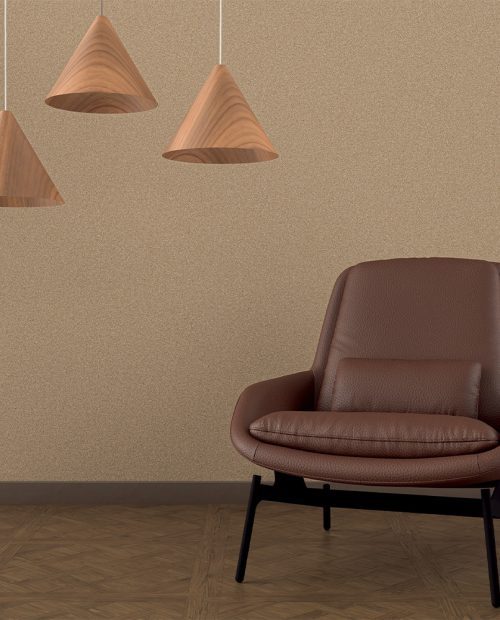
DUNES
Textured decorative finish inspired by the movement of desert sands.
Discover Dunes
2. Venetian Plaster
Also known as polished plaster, Venetian plaster is a decorative wall finish made from lime putty and marble dust. It produces a smooth surface with subtle variations in color and texture.
Designers often choose Venetian plaster as an interior finish to create elegant interiors with a timeless appearance.
3. Wood Paneling and Veneers
These wood finishes add warmth and natural character to interior spaces. Veneers are thin sheets of wood applied to engineered boards, while paneling may cover entire walls or selected areas.
These finishes are often used in offices, hotels, and luxury residences because of their durability.
4. Decorative Stones
Marble, granite, limestone, travertine, and other decorative stones are popular interior finishes as they add texture and a touch of luxury to walls, floors, and countertops.
Also called natural stone cladding or stone surfacing, decorative stone adds visual interest to spaces with its distinctive patterns and offers a long service life.
5. Metal and Glass Accents
Stainless steel, brass, aluminum, frosted glass, tempered glass, and other metal and glass accents introduce contrast and a contemporary feel to interior spaces.
These decorative elements are frequently incorporated into partitions, railings, wall features, and custom architectural details.
6. Decorative Resin and Epoxy Flooring
Decorative resin and epoxy flooring systems create surfaces that combine durability with design flexibility. These floor finishes are commonly used in homes, offices, and retail spaces because they resist stains and heavy foot traffic.
Epoxy terrazzo and metallic coatings also offer a wide range of decorative possibilities.

NEOTERRAZZO
Seamless flooring system that combines durability with custom design.
Discover Neoterrazzo
Important Factors to Consider When Selecting Finishes
Below are the most important factors to consider when choosing finishes for residential and commercial properties:
1. Climate and Environmental Conditions
Finishes must withstand intense sunlight, high temperatures, humidity, and dust in the UAE. Consider how the material will perform outdoors and whether it can maintain its appearance over time.
2. Durability and Maintenance
Think about the amount of wear a surface will experience. High-traffic areas often require finishes that resist scratches, stains, and moisture, which is why it is also important to evaluate the cleaning and maintenance requirements of each material.
3. Aesthetic Goals
Color, texture, and surface sheen all influence the look and feel of a space. As such, the finish should complement the building or home’s overall design concept.
4. Budget and Installation Costs
The price of the material and installation costs can affect the total budget. Consider long-term value rather than focusing only on the initial expense to achieve better results.
5. Function and application
Every finish serves a different purpose. Some materials are better suited to facades, while others are best used on floors, walls, or ceilings.
6. Sustainability and safety
Many designers and contractors now prioritize low-VOC coatings and eco-friendly materials. It is also important to confirm whether the finishes comply with local building regulations and project requirements.
Frequently Asked Questions
Which architectural finishes perform best in Dubai’s heat and intense sunlight? ▼
UV-resistant exterior paint, natural stone cladding, and metal cladding systems perform best in Dubai’s climate. These finishes resist fading, cracking, and surface degradation caused by prolonged sun exposure and high temperatures. Ceramic-coated panels and vitreous enamel cladding also hold up well, offering color stability and minimal maintenance over time.
What finishes are suitable for coastal properties exposed to salt and humidity? ▼
Marine-grade metal claddings, such as aluminum and zinc, and vitreous enamel panels resist corrosion from salt air and humidity. Natural stone finishes like granite and travertine also perform well in coastal environments. Moisture-resistant and UV-stable coatings help prevent blistering and discoloration if you are leaning towards paint.
How do I specify architectural finishes for a luxury villa in the UAE? ▼
Specifying finishes for a luxury villa starts with balancing aesthetics, durability, and climate performance. Natural stone cladding, Venetian plaster, and premium decorative paints are commonly used to create refined, high-end interiors and facades. Designers should also factor in maintenance requirements and UV resistance for exterior elements exposed to sun and heat.
Which wall finishes are easiest to maintain in high-traffic commercial buildings? ▼
Ceramic-coated panels and glass cladding are among the easiest wall finishes to maintain in high-traffic commercial buildings, as they resist stains and require minimal upkeep. Vitreous enamel cladding also performs well, offering strong resistance to scratches, chemicals, and graffiti. For interior walls, washable decorative paints and textured coatings withstand frequent contact while remaining easy to clean.
What is the best flooring system for a high-traffic hotel lobby in Dubai? ▼
Decorative resin and epoxy flooring systems are well suited to high-traffic hotel lobbies because they create seamless, durable surfaces that resist stains and heavy foot traffic. Epoxy terrazzo, in particular, combines strength with a wide range of design options for lobby areas. Granite, marble, and other natural stone flooring are also popular commercial floor finishes as they are durable and look luxurious.
Finishing Touches That Matter
Successful projects begin with informed decisions about materials and finishes. Understanding the strengths of different products can help you choose solutions that complement the design and withstand the demands of everyday use.
Contact us to learn more about your architectural finish options.


